
Sclera Demo Open Course
Section outline
-
-
-
-
Introduces the concept of critical thinking and its real-world importance. Students begin to understand how clear, logical thinking supports better decisions.

Learning Components:
-
Video Lecture: “What is Critical Thinking?” (8 min)
-
Reading: “The Basics of Thinking Clearly” (CriticalThinking.org)
-
Discussion: Describe a situation where you used (or failed to use) critical thinking.
-
Quiz: 5-question self-check on key terms (e.g., logic, assumptions, objectivity)
-
-
-
-
-
-
-
-
Explanation:
Covers how conclusions are drawn through two key reasoning types: deduction (general to specific) and induction (specific to general).
Learning Components:
-
Video: CrashCourse – “Introduction to Logic”
-
Exercise: Classify examples as deductive or inductive
-
-
-
-
-
-
Explanation:
Students learn how to recognize flawed arguments. Logical fallacies like straw man or slippery slope are explained with examples.
Learning Components:
-
Reading: “10 Logical Fallacies You Should Know” (PDF)
-
Interactive Game: “Find the Fallacy” (choose-the-fallacy style)
-
Assignment: Analyze a news article or ad for logical fallacies
-
-
-
-
-
-
-
-
Explanation:
Shows how to break down vague or complex issues into manageable, well-defined problems — a critical step before attempting a solution.
Learning Components:
-
Reading: “How to Frame a Problem to Find the Right Solution”
-
Worksheet: Turn a fuzzy problem into a SMART problem
-
-
-
-
-
-
Explanation:
Students learn structured approaches like the "5 Whys" and fishbone diagrams to uncover underlying causes and generate creative ideas.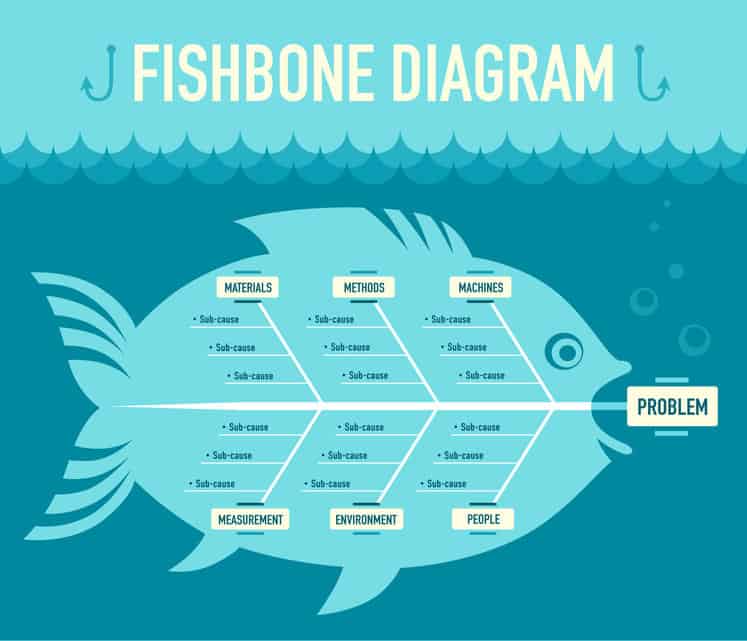
Learning Components:
-
Video: “Root Cause Analysis in 5 Minutes”
-
Practice: Use “5 Whys” on a personal or fictional problem
-
Activity: Brainstorm and submit three potential solutions
-
-
-
-
-
-
-
-
Explanation:
Students explore how mental shortcuts (biases) can distort thinking — such as confirmation bias, anchoring, or hindsight bias.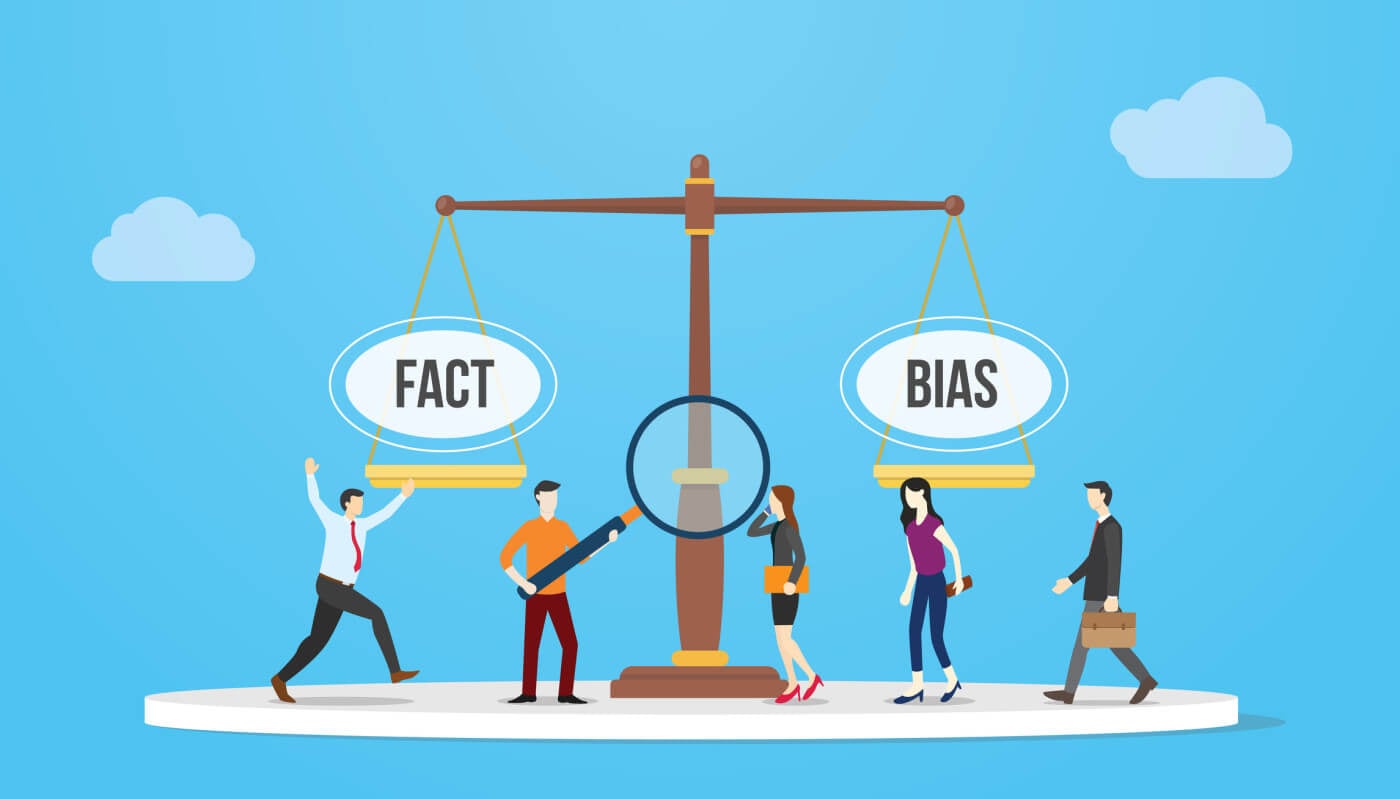
Learning Components:
-
Reading: “Common Cognitive Biases” article
-
Video: TED Talk – “Why We Make Bad Decisions” (Dan Gilbert)
-
Discussion: Describe a biased decision you made and what you learned
-
-
-
-
-
-
Explanation:
Introduces tools like decision trees and cost-benefit analysis. Students learn to reflect before acting, especially under pressure.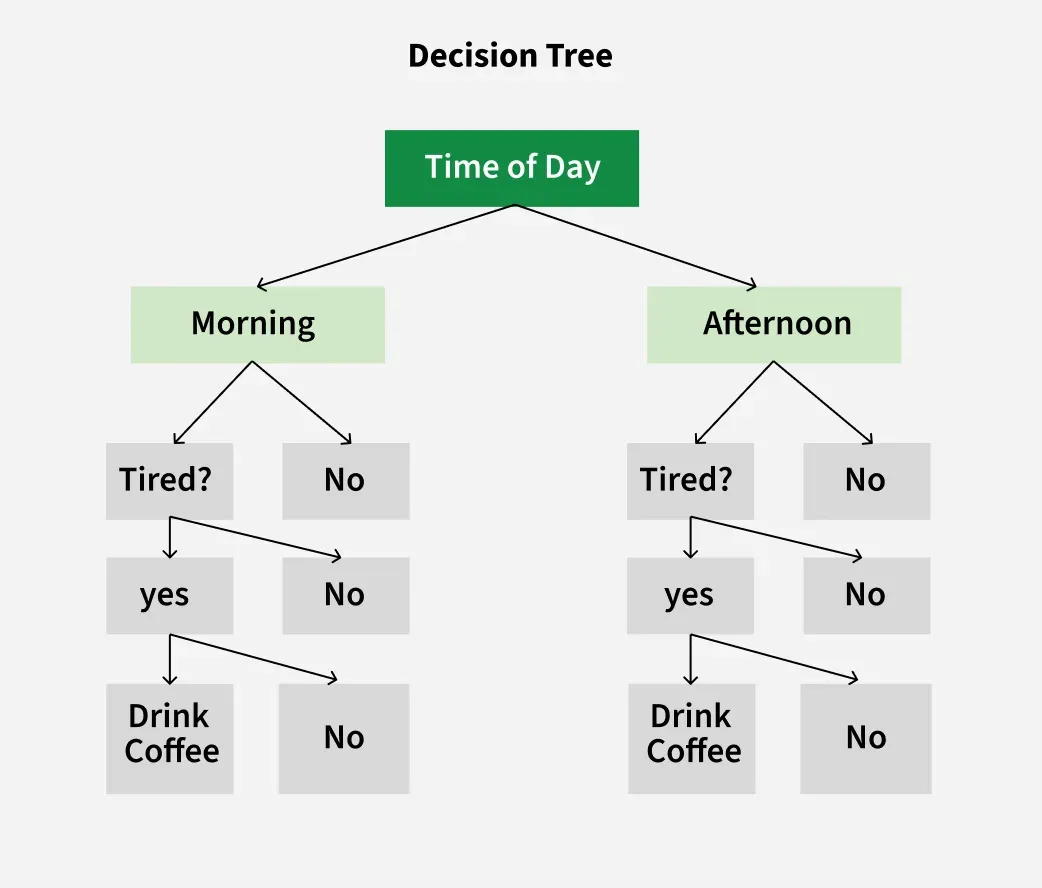
Learning Components:
-
Video: “How Decision Trees Work”
-
Tool: Decision-making template (downloadable)
-
Final Project: Identify a real or fictional problem and present a reasoned solution using course tools (report, video, or slide deck)
-
Peer Review: Give feedback on two classmates’ submissions
-
-
-
-